Change Is Easier to Shape in December Than to Fix in March
Most 2027 plans count on results, productivity gains, a return on AI, more from the same teams. Those results depend on people working differently. The total change teams need to absorb can be greater than the plan suggests: the everyday implications of planned initiatives, alongside changes that haven't been named. When those demands go unattended, rework and delays can put the results at risk.
A 60-minute roundtable for senior leaders and executives. Recognize the change your results depend on, and what your people need to make it work.
Thursday, December 3, 2026 | 11 a.m. to noon ET | Via Zoom
Why December Matters
Plans often cover the decision, the project and the launch. They can leave less room for what people need to do differently day to day, especially when several changes reach the same teams. Managers then have to work through competing demands and unclear expectations while keeping the business running.
There are two parts to this: planned initiatives whose implications for everyday work need more attention, and changes that haven't been recognized as change at all, such as a new leader settling in or growth stretching how teams are set up. Together, they can ask more of people than leaders have accounted for.
December is the window. The conditions that help new ways of working hold take weeks to build, and they're much harder to put in place once people have settled into workarounds. That's the difference between shaping a change and fixing it.
What You’ll Take Away
A clearer view of the total change your 2027 results depend on, including demands on people that the plan may not show.
A way to recognize when an operational problem needs deliberate leadership attention to help people work differently.
Peer perspective on what people need to adopt new ways of working, and one leadership action to shape before January.
What to expect
A 60-minute roundtable among senior leaders and executives. Cameras on.
Bring one situation where your people will be asked to work differently next year. It can be a formal initiative or something that hasn’t been called a change yet.
We'll look at what your situation asks people to do differently and what would help them do it. A concrete example from our work will show how leaders and teams turn shared intentions into agreements they can use day to day. You'll compare approaches with peers and identify one action to help the change hold.
Meet your host
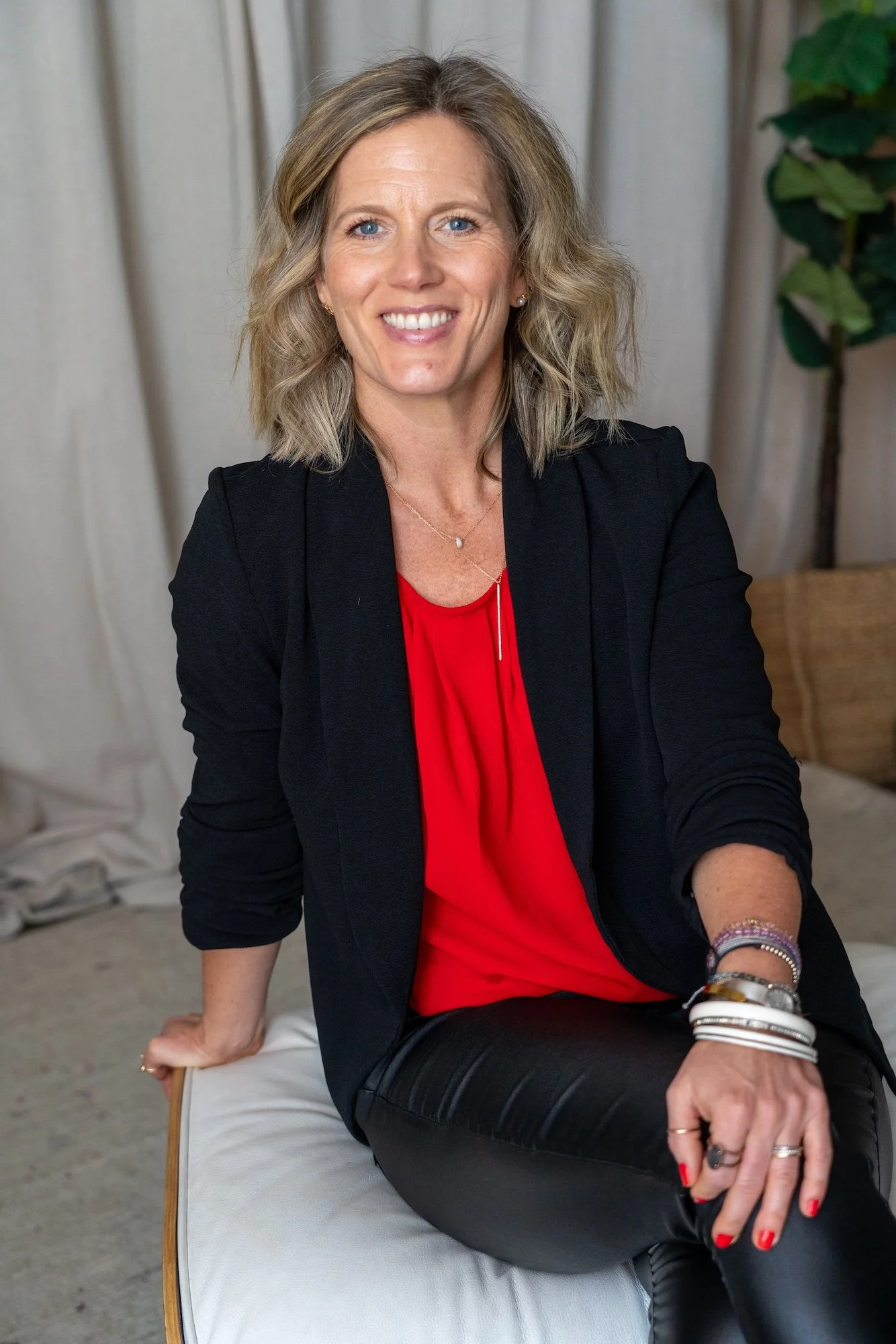
Barbara Sennrich is the founder and CEO of The Change-Resilient Advantage, where she helps leaders create the conditions that make change work in practice.
With 20+ years of experience across strategic communications, organizational change, and culture development, she helps organizations turn leadership intent into something people can understand, own, and execute. Her work focuses on the clarity, capacity, trust, ownership, and organizational reinforcement teams need to adopt new ways of working and make those changes stick.
Barbara has supported restructurings, leadership transitions, M&A integrations, technology adoptions, and culture shifts across healthcare, pharma, med-tech, and professional services.
What will your 2027 results require people to do differently?
Join us on Thursday, December 3 at 11 a.m. ET for a candid hour with senior leaders working through many of the same questions, and leave knowing what to shape before January.
Apply to request your seat. Space is limited.
APPLY
APPLY