
Making critical Change Work
In Practice
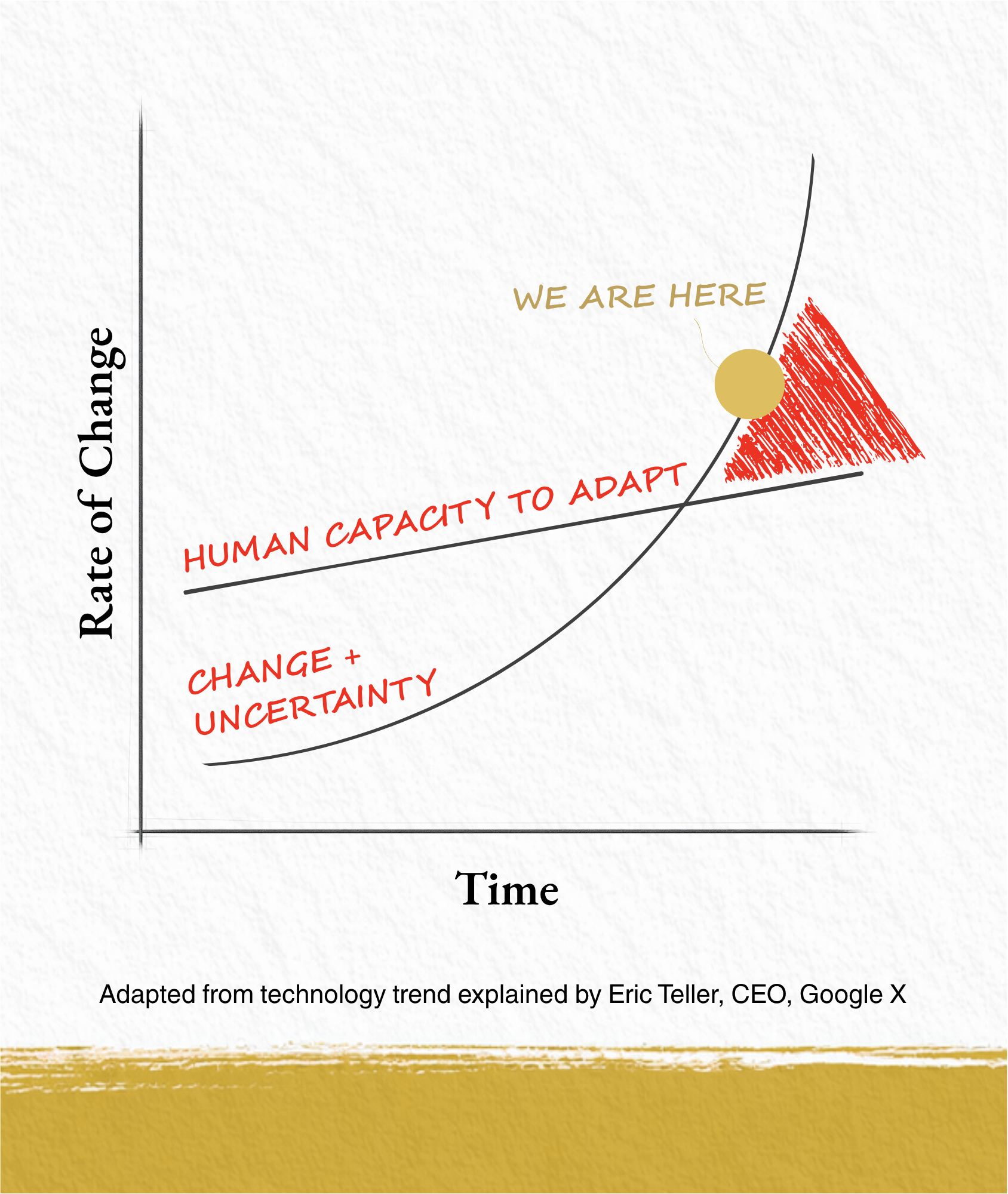
AI and advanced technology accelerate
the pace and pressure of change.
We partner with organizations to build the human capacity to navigate change and create the leadership and culture conditions people need to adopt new ways of working.
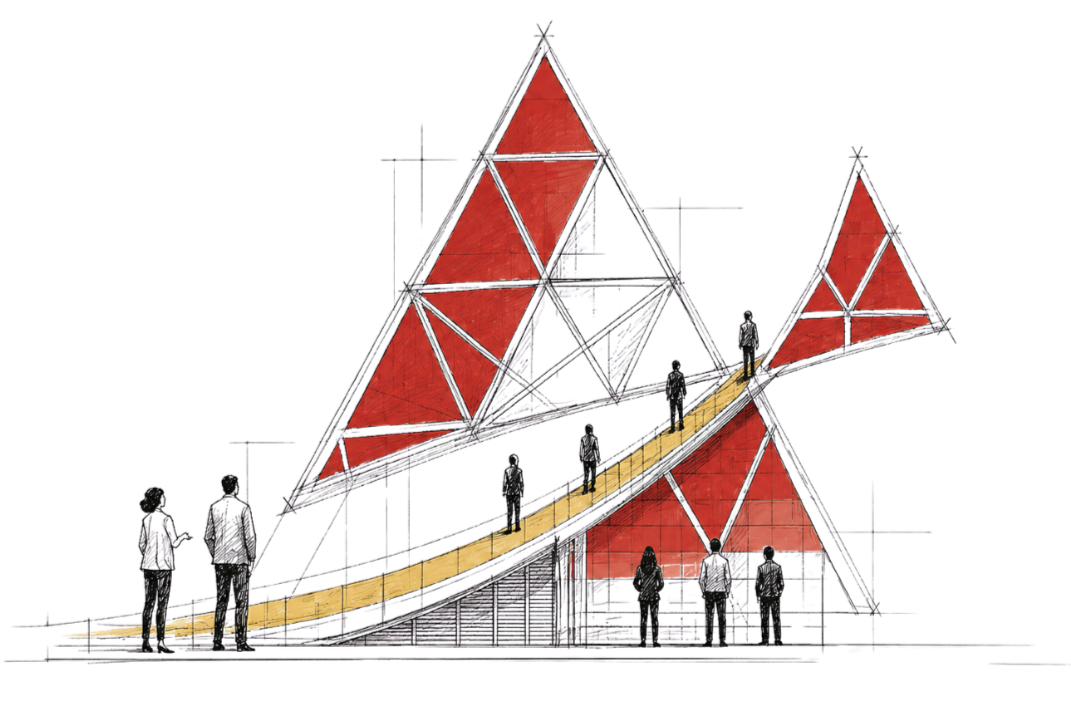
Trusted by leaders when change has real consequences
For two decades, we have helped organizations turn decisions into new ways of working across restructurings, carve-outs, leadership transitions, culture change, and technology adoption. AI increases the pace and pressure; the need for clarity, capacity, trust, ownership, and reinforcement runs through every kind of change.

Accelerated adoption of new technologies, HR platforms and new ways
of workingDrove adoption of new behaviors that held through reorgs, layoffs, and post-spinoff culture change
Translated organization-wide strategic priorities into actionable, day-to-day contributions for employees
Aligned leadership teams so change held under pressure instead of fragmenting
Built collaboration across functions, departments, and cultures in global organizations


Why now
Organizations are introducing new tools, structures, and ways of working more often, asking people to adapt faster. AI intensifies the pace, but the challenge spans every kind of change. The gap between a decision and what people can do in daily work is where time, trust, and investment are lost.
Uncertainty is experienced psychologically and physically. It shapes how leaders lead, how messages land, and whether people can engage with a new way of working. We use the mind–body connection to build capacity for deliberate response, while addressing the conditions for adoption—clarity, trust, ownership, and reinforcement—and constraints in the work or solution itself.
The types of change we support and the moments Our Clients Call US
-
When a new AI tool or work process is live, but training has not translated into consistent use—and leaders need to understand whether the barrier is relevance, the tool, capacity, or the way work is designed.
-
When leaders have set a bold direction, but functions are interpreting priorities differently and teams cannot yet see what should change in daily decisions and work.
-
When new leaders inherit a change already in motion, or a leadership team sends mixed signals about priorities, roles, and the behaviors it expects.
-
When a restructuring, reduction, or relocation has unsettled teams and leaders need to rebuild clarity, trust, and the capacity to keep delivering through transition.
-
When a merger, carve-out, or redesign has changed the chart, but people are still using old rules for decisions, handoffs, and accountability.
Where we fit
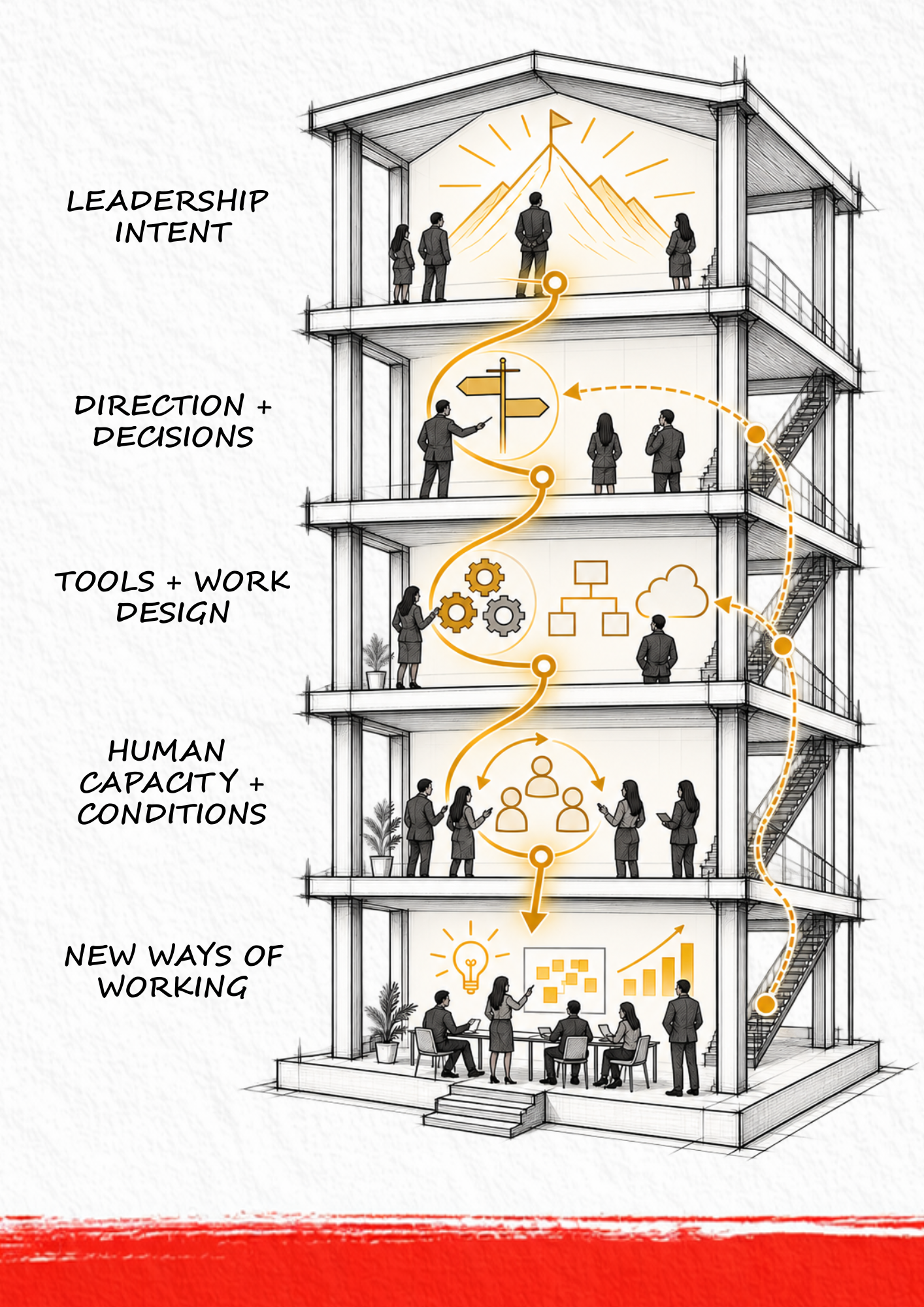
Most change investments focus on strategy, technology, and operating design. Even a sound solution can falter when leaders are misaligned, people lack the capacity to navigate uncertainty, or those doing the work have little influence over how it is implemented.
We build the human capacity and leadership and culture conditions people need to adopt new ways of working. We can lead the agreed change-management engagement, own a defined workstream, or work alongside business, technology, and internal change teams.
Our work brings together capacity building, stakeholder alignment, co-creation, and change communications. We stay involved through implementation and reinforcement, helping people put agreements into practice and bringing what they learn back into decisions.
What that looks like in the work
Before an announcement, helping leaders test whether the decision is clear enough to explain and whether they can stay steady in difficult conversations.
During implementation, bringing frontline feedback into decisions about roles, handoffs, and support.
After launch, checking which new routines are used, what gets worked around, and what needs reinforcement or redesign.
Where change breaks down in practice
Three situations leaders bring to us. Each is a predictable way change fails to take hold, and what shifts when it's caught early.

-
The direction is set, but leaders, managers, and teams cannot yet translate it into clear decisions, roles, and ways of working. Before or early in rollout, we diagnose what needs to be made workable so implementation has a stronger start.
-
The change is underway, but use is uneven: some people resist, some comply on the surface, and others work around the new process or tool. We look at what the work is telling us—clarity, capacity, trust, relevance, tool quality, and work design—before choosing the response.
-
The launch looked successful, but as attention moves elsewhere, ownership and new routines weaken. We help leaders see where accountability, onboarding, feedback, and reinforcement need to be built into everyday work so gains endure.
How leaders bring us in
Leaders bring us in when a major change is being shaped, when implementation is approaching, or when adoption is proving harder than expected. We can begin with focused capacity work, lead a defined human-side workstream, or partner through a multi-phase transition.
The right scope depends on the decision, the pressure on the organization, and what a useful diagnosis reveals. A short conversation is often enough to identify the next step.

A senior team built for high-stakes change
We work with a senior bench of advisors, facilitators, and communication leaders who join based on what the situation needs.
Between us we cover high-stakes organizational change, executive facilitation, communication strategy, and the work of turning decisions into adopted behavior.
It lets us put seasoned judgment where decisions carry real operational and reputational weight. Leaders bring us in when the change has to be coherent, well run, and durable.
Insights on making change work in practice
Perspectives on the leadership, culture, and practical conditions that help new ways of working take hold.
For leaders navigating consequential change in strategy, organization, and technology, including AI.


Ready to make the change
take hold?
If you're rolling out AI, a new operating model, or other high-stakes change and the new way of working isn't taking hold, the window to course-correct is smaller than it appears.